
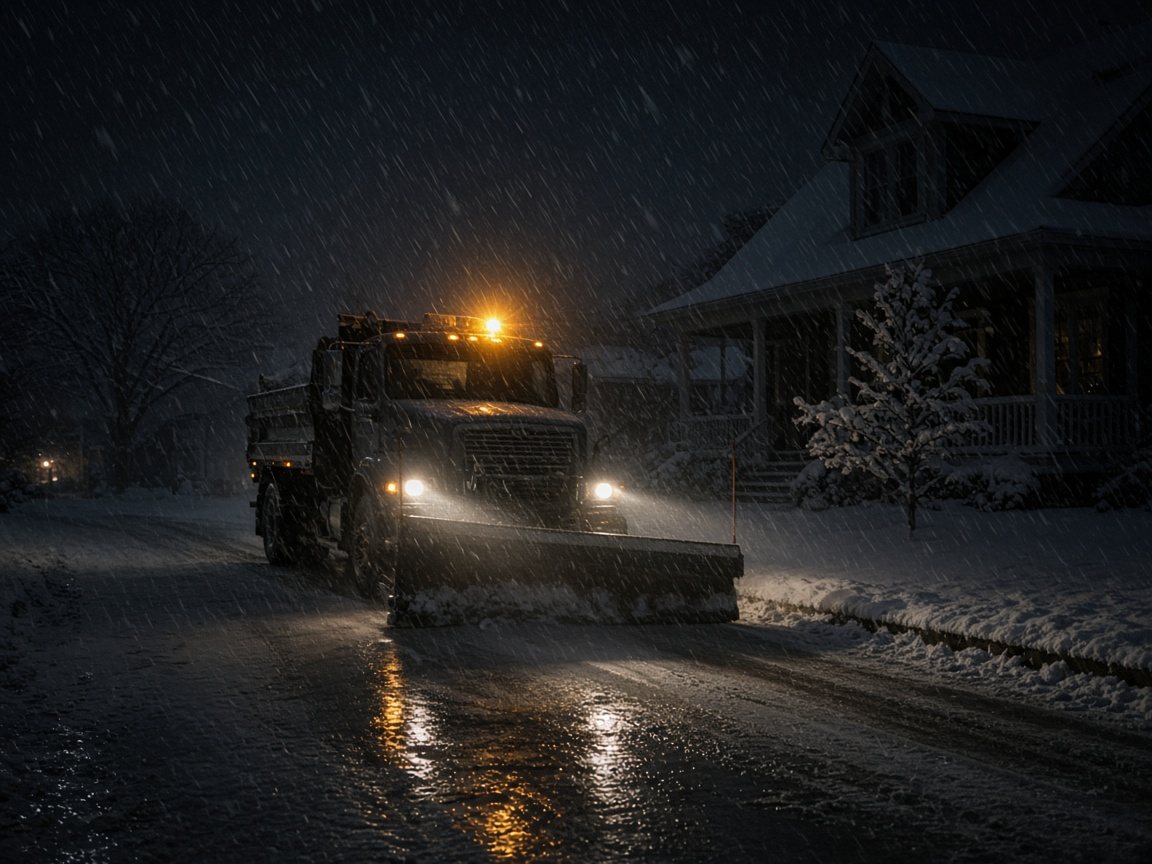
Snow removal in Connecticut
Connecticut winters swing between shoreline rain, inland snow and ice in the hills, sometimes in the same storm. We plan routes that can handle all three.
Coastal storms decide most Connecticut winters
Connecticut sits right in the path of nor'easters that track up the coast. The shoreline from Greenwich to New London often sees a mix of rain and wet snow, while the same storm can drop much heavier snow a short drive inland. The northwest hills, the Litchfield area especially, tend to run colder and snowier than the coast, and the Quiet Corner in the northeast has its own cold pockets.
Because the rain-snow line often sets up somewhere across the state, a single event can mean slush on I-95, heavy snow in the Hartford area and freezing rain in the hills. Wet snow is dense and hard on equipment and roofs. When temperatures drop behind the storm, whatever was left on the pavement freezes solid by morning.
That pattern is why we treat de-icing and the cleanup pass as part of the job, not an extra. Clearing the snow is half of it. Keeping the lot and walks from turning to ice overnight is the other half.
Cities we plan for in Connecticut
Five cities that show how winter changes from the shoreline to the hills.
Hartford
The capital region gets more snow than the shoreline and has plenty of office lots, medical campuses and apartment complexes that need cleared aisles before the morning commute.
New Haven
Close to the water, New Haven often gets wetter snow and mixed precipitation. Dense neighborhoods mean tight driveways, on-street parking and sidewalks that see heavy foot traffic.
Stamford
Corporate campuses and residential streets in Fairfield County need early, clean work. Coastal storms can bring heavy, wet snow that is slow to move by hand.
Waterbury
Hills and older streets make this a place where a steep drive or a shaded lot can stay icy well after the storm ends. Treatment matters as much as plowing.
Danbury
Western Connecticut sits a bit higher and colder than the coast. Retail lots, commuter parking and hillside homes all benefit from a written trigger and a return pass.
Looking for another city in Connecticut? Send the address with your quote request and we will tell you how we would cover it.
Wet snow, tight drives and shared walks
The details that change the work in Connecticut.
Many Connecticut towns expect property owners to clear adjacent sidewalks within a set time after a storm ends. The window and the enforcement vary by town, so check your local ordinance. Either way, our plan covers walks, ramps and curb cuts, not only the driveway or the lot.
Older neighborhoods in New Haven, Hartford and Waterbury often have narrow drives, stone walls and garages close to the street. Those need careful plow work and hand shoveling at the edges. Commercial properties along the Merritt and I-84 corridors usually want entries and handicap spaces on a lower trigger than the back of the lot.
What snow removal looks like in Connecticut
Plowing first, then the treatment that keeps it open.
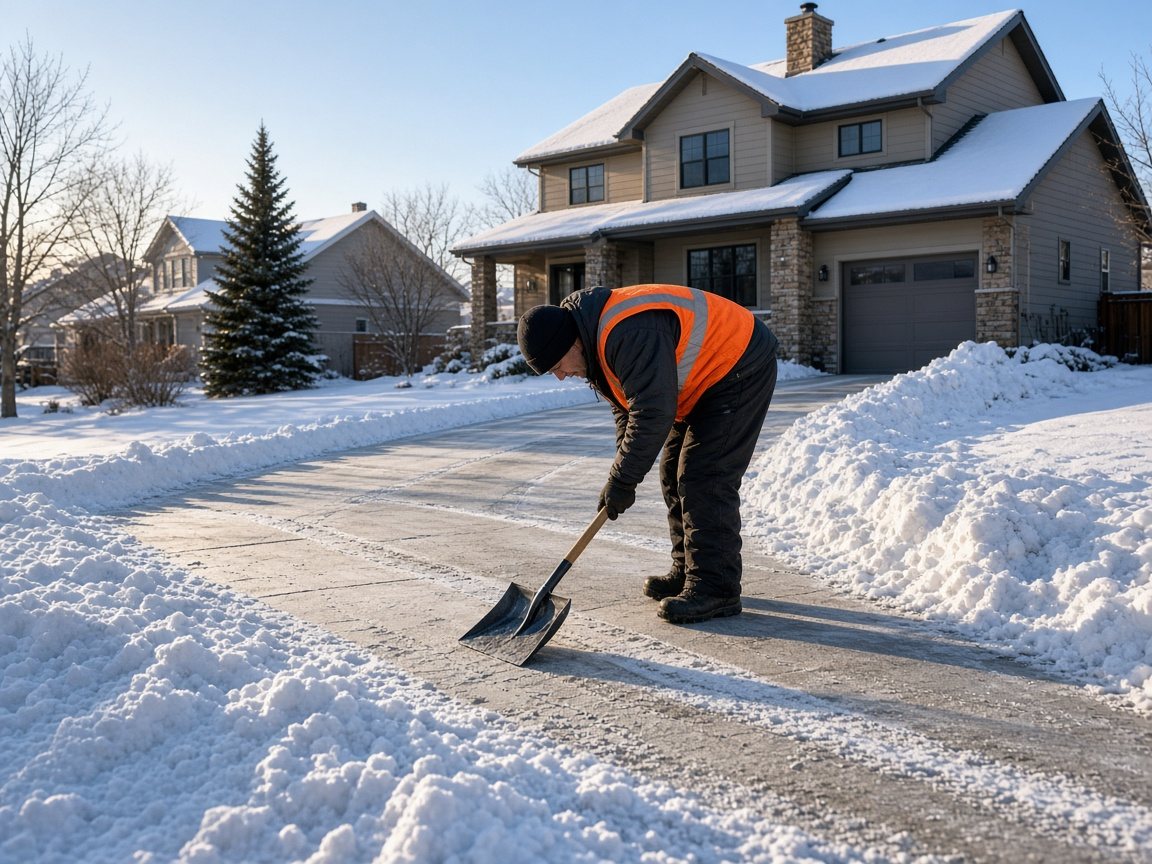
Truck plows handle driveways, private roads and lots, and shovel crews take the walks, steps and the windrow a town plow leaves at the end of the drive. During long nor'easters we make repeat passes instead of waiting for the end of the storm, because wet snow packs down fast under traffic.
De-icing is matched to the surface. New concrete, pavers and stone steps need gentler products than an asphalt lot. Seasonal contracts are common for businesses, condo associations and HOAs that want a crew already assigned before the first storm.
- Residential and commercial plowingTruck plows for drives, private roads, HOA streets and lots.
- Driveway and sidewalk shovelingHand work and blowers for walks, steps and the street-plow windrow.
- De-icing and saltingTreatments matched to the surface and the temperature.
- Seasonal contractsTrigger depth, stacking zones and billing, written before the first storm.
- 24/7 storm responseRepeat passes while the snow is still falling.
Plan for the coast and the hills in one storm
Before winter we walk the property or review it with you: drive edges, drains, where snow can be stacked, and which areas must be open first. You get a trigger depth, a service list and a choice of per-push or seasonal billing.
When a nor'easter is forecast, the route is already set. We clear during the storm, come back for the cleanup and watch for refreeze the next morning. Send the Connecticut address with your quote request and we will tell you how we would cover it.
Snow removal next door
Winter does not stop at the state line. These pages cover the places most often tied to Connecticut routes and storms.
Snow removal in Connecticut: FAQ
Do you plow in Hartford, New Haven and Stamford?
Yes. Those cities are called out on this page, and we also quote Waterbury, Danbury and other Connecticut addresses you send with a quote request.
Why does the shoreline get less snow than inland Connecticut?
Coastal storms often bring warmer air off the water, so the shore sees more rain or wet snow while colder areas inland and in the hills see more accumulation.
Do I have to clear the sidewalk in front of my house?
Many Connecticut towns require it within a set time after a storm. The rules vary by town, so check your local ordinance. We can include sidewalks in your plan.
Can you handle a long nor'easter?
Yes. We make repeat passes during the storm and a cleanup pass after, and we watch for refreeze once temperatures drop.
Is a seasonal contract worth it in Connecticut?
It often is for businesses, HOAs and condo associations, because it locks in a crew and a trigger depth before the first storm. Many homes do fine with per-push service. Your quote can show both.
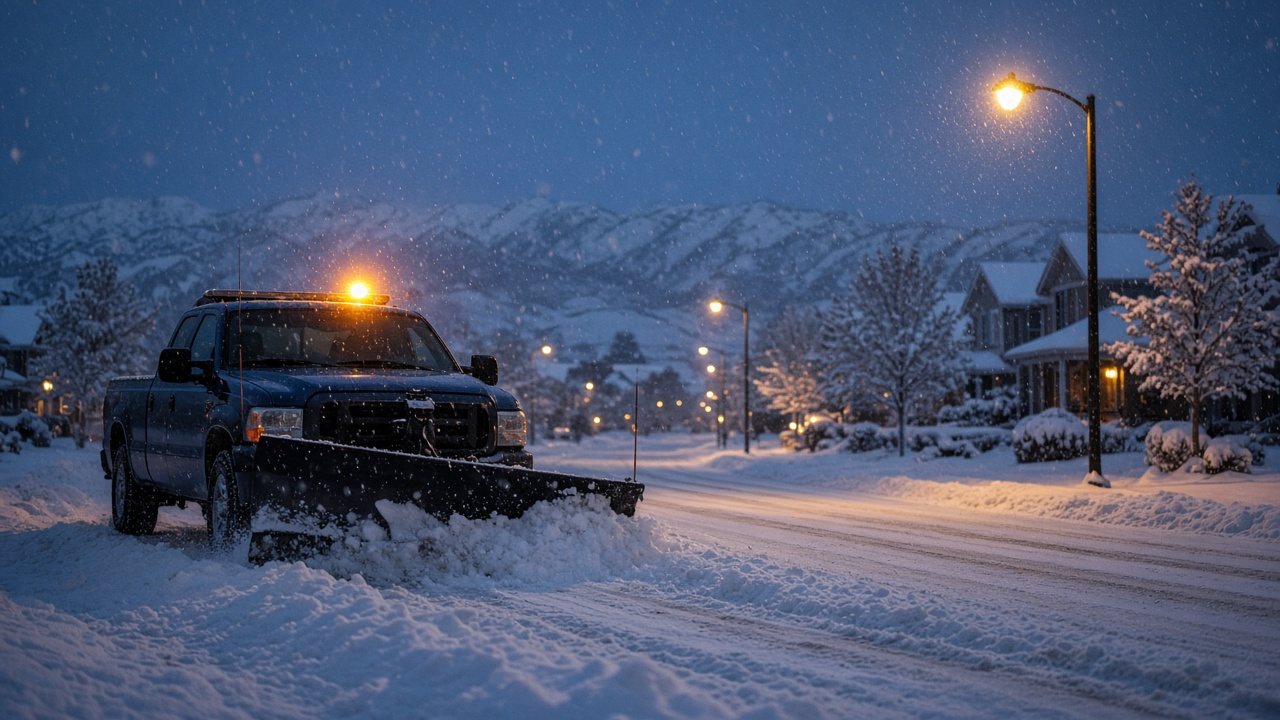
Get a Connecticut snow quote
Tell us the address, the surfaces that matter and whether you want per-visit service or a seasonal contract.